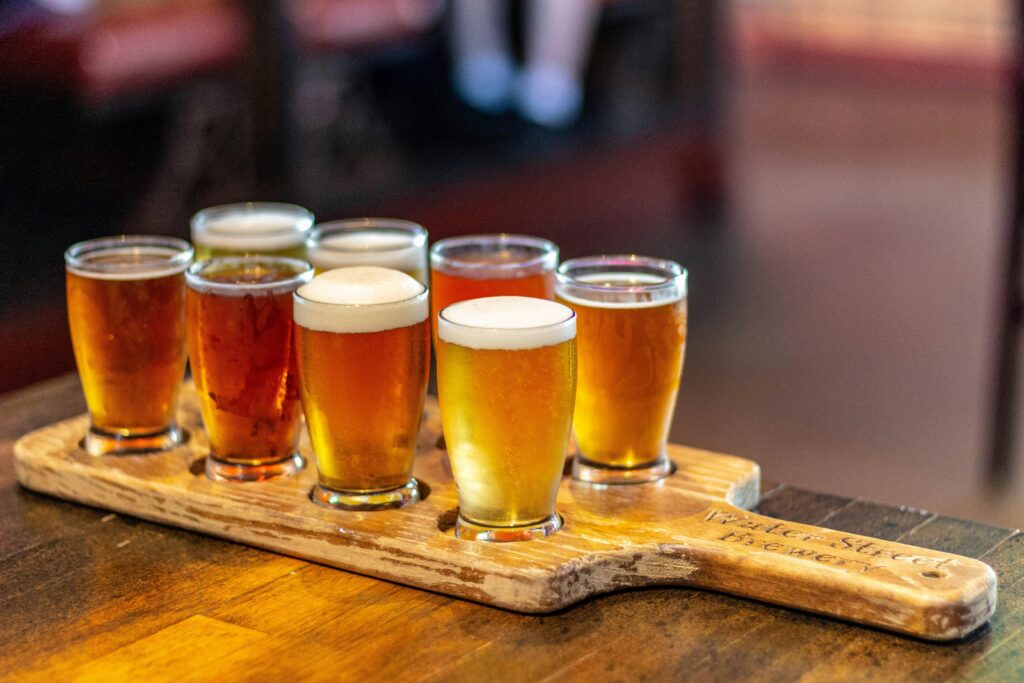
The craft beer movement has swept across the United States, and Charlotte, North Carolina, is no exception. Characterized by innovation, quality, and a spirit of community, the craft beer scene in Charlotte has exploded in recent years. With over 40 breweries operating within the city, the microbrewery landscape has transformed into a diverse tapestry of flavors, styles, and experiences. This article explores the origins of the American craft beer movement, its growth, and its flourishing presence in Charlotte, examining the factors that have contributed to its success and its impact on the local economy and culture.
The Genesis of the American Craft Beer Movement
To understand the thriving craft beer scene in Charlotte, it’s essential to examine the roots of the American craft beer movement. The movement emerged in the late 1970s and early 1980s as a reaction against the mass-produced, often bland, lagers that dominated the beer market. American beer drinkers began seeking greater variety, richer flavors, and higher quality in their beer. This demand paved the way for a new wave of pioneering brewers eager to meet these desires. Several factors converged to fuel the craft beer revolution. In 1965, Fritz Maytag acquired the Anchor Brewing Company in San Francisco, saving it from closure and revitalizing traditional brewing methods. This turnaround is often considered a turning point for American beer. The legalization of homebrewing in 1978 played a crucial role, allowing amateur brewers to experiment with diverse styles and flavors. Many of these homebrewers eventually transformed their passion into successful commercial ventures. President Jimmy Carter’s deregulation of the brewing industry in 1979 further facilitated the establishment of new breweries by easing legal restrictions. Early craft breweries drew inspiration from the centuries-old artisan beer and cask ale traditions of the United Kingdom, Germany, and Belgium. The New Albion Brewing Company, founded in 1976, served as a blueprint for American brewers looking to establish small-scale commercial breweries. The popularity of these artisanal beers quickly spread, leading to the establishment of numerous small breweries, often attached to bars (brewpubs) where the beer could be sold directly.
Growth and Expansion
The craft beer movement experienced slow but steady growth in its early years. In 1982, Grant’s Brewery Pub opened in Yakima, Washington, reviving the concept of “brewery taverns”1. By 1984, the fifth U.S. brewpub, BridgePort Brewing Company, opened in Portland, Oregon1. In 1985, Dock Street Brewing Company was established in Philadelphia, Pennsylvania. The 1980s marked the beginning of a craft beer revolution in the United States. Changes in legislation made it easier for small breweries to operate, contributing to a rapid increase in microbreweries and brewpubs. Homebrewers played a significant role in this expansion, popularizing a wider range of beer styles, such as IPAs, stouts, and sour ales, and pushing the boundaries of traditional brewing. The craft beer industry continued to thrive, driven by innovation, diversity, and a strong sense of community. By March 2013, the Brewers Association reported a total of 2,416 U.S. breweries in operation, with 2,360 classified as craft breweries. By 2015, the number of U.S. craft breweries had grown to over 4,000. In 2012, there were 2,075 regional craft breweries, microbreweries, and brewpubs in the U.S.
The Charlotte Craft Beer Scene
Charlotte has become a prominent hub for craft beer enthusiasts, boasting a diverse array of breweries that cater to a wide range of tastes. The city’s thriving craft beer scene reflects the broader national trend, with local breweries contributing significantly to the local economy and culture. Like many other craft breweries across the country, Charlotte’s breweries often act as their own distributors, selling directly to consumers through taprooms, restaurants, and off-premises sales1. This direct-to-consumer approach allows breweries to build relationships with their customers and foster a sense of community.
Factors Contributing to Charlotte’s Craft Beer Success
Several factors have contributed to the growth and success of the craft beer scene in Charlotte:
- A Thriving Local Economy: Charlotte’s strong economy has provided a solid foundation for the growth of small businesses, including craft breweries.
- A Growing Population: The city’s increasing population has created a larger customer base for local breweries.
- A Culture of Innovation: Charlotte’s breweries are known for their creativity and willingness to experiment with new styles and flavors.
- A Strong Sense of Community: Charlotte’s craft beer community is close-knit and supportive, with breweries often collaborating on events and projects.
- Supportive Local Government: The city government has generally been supportive of the craft beer industry, recognizing its positive impact on the local economy.
Safety and Operations Behind the Scenes
As the number of craft breweries in Charlotte continues to rise, maintaining safe and secure facilities has become increasingly important. Many brewery owners are investing in upgraded security measures—not only for compliance and inventory protection but also for customer safety. One overlooked but essential part of this is lock replacement. With high staff turnover, expanding taprooms, and the need for restricted access to brewing equipment or storage areas, regularly updating or replacing locks is a smart move. It’s a small but critical step that helps ensure the smooth day-to-day operation of these popular community spaces.
The Impact of Craft Beer on Charlotte
The craft beer industry has had a significant impact on Charlotte, both economically and culturally:
- Economic Development: Craft breweries have created jobs and generated revenue for the city.
- Tourism: Charlotte’s craft beer scene has become a draw for tourists, who come to sample the local brews.
- Community Building: Breweries often serve as gathering places for locals, fostering a sense of community.
- Cultural Enrichment: Craft beer has added to the city’s cultural landscape, providing a unique and authentic experience for residents and visitors alike.
Challenges and Opportunities
Despite its success, the craft beer industry in Charlotte faces challenges. Increased competition, rising costs, and changing consumer preferences all pose potential threats. However, the industry also has opportunities for continued growth and innovation.
- Maintaining Quality: As the number of breweries in Charlotte continues to grow, it will be important for each brewery to maintain high-quality standards to stand out from the competition.
- Adapting to Changing Tastes: Craft breweries must stay ahead of the curve by experimenting with new styles and flavors to appeal to evolving consumer preferences.
- Embracing Sustainability: Consumers are increasingly interested in supporting sustainable businesses. Breweries can attract environmentally conscious customers by adopting sustainable practices.
The craft beer movement in Charlotte represents a remarkable transformation of the city’s brewing landscape. From its roots in the American craft beer revolution to its current status as a thriving hub for innovation and community, Charlotte’s craft beer scene has become an integral part of the city’s identity. While challenges remain, the passion, creativity, and community spirit that define Charlotte’s craft breweries position them for continued success in the years to come.
The written content on this page was generated by perplexity.ai