Data-Driven Brewing: Turning Numbers into Better Beer

For centuries, beer has been crafted through a mix of tradition, artistry, and intuition. Brewers relied on their senses—the aroma of the mash, the taste of the wort, the feel of the grain—to make decisions. While these skills remain essential, the modern brewing world is embracing a new companion to creativity: data.

Data-driven brewing is transforming the way beer is made, analyzed, and perfected. By collecting, tracking, and interpreting key metrics, breweries are not only improving consistency but also pushing the limits of flavor experimentation. The result is a brewing process that combines centuries of craftsmanship with the precision of modern analytics.

1. The Rise of Brewing Analytics

The craft beer boom has intensified competition, and brewers are looking for every possible advantage to stand out in a crowded market. Enter brewing analytics—a method of applying measurable data to guide brewing decisions.

From small microbreweries to large-scale operations, breweries are now using software, sensors, and cloud-based tracking systems to monitor every stage of the process. These tools measure dozens of factors: mash temperature, fermentation time, pH levels, specific gravity, yeast activity, dissolved oxygen, and even environmental conditions in the brewhouse.

Collecting this information allows brewers to identify patterns, troubleshoot issues, and create a detailed roadmap for each beer. It’s no longer about just remembering what worked—data ensures that what worked once can work every single time.

2. Key Metrics That Drive Brewing Decisions

Not all data points are created equal. Brewers focus on specific measurements that have the most impact on flavor, stability, and quality. Some of the most important include:

  • Temperature Control – Precise mash and fermentation temperatures can make or break a beer’s flavor profile. Even a few degrees of difference can shift sweetness, bitterness, or alcohol content.
  • pH Levels – pH affects mouthfeel, clarity, and taste balance. Monitoring acidity helps maintain consistency across batches.
  • Specific Gravity – By measuring the density of the wort before and after fermentation, brewers can calculate alcohol content and track fermentation progress.
  • Dissolved Oxygen (DO) – Excess oxygen can lead to off-flavors and reduced shelf life. Tracking DO ensures beer stays fresher longer.
  • Yeast Health and Activity – Recording yeast viability and pitch rates ensures optimal fermentation performance.

By paying close attention to these metrics, breweries can fine-tune recipes with scientific precision while keeping the creative element alive.

3. Consistency: The Heart of Data-Driven Brewing

One of the greatest challenges in brewing—especially for small and mid-sized breweries—is producing the same beer with the same taste, aroma, and mouthfeel every time. Without data, even small variations in process or ingredients can produce noticeable differences in the final product.

Data logging solves this problem. Once a recipe is perfected, all relevant variables are recorded and stored. The next time the beer is brewed, brewers can replicate conditions exactly. If something changes—such as a new crop of hops with slightly different alpha acids—data analysis helps adjust the process to compensate, ensuring the beer tastes the way customers expect.

Consistency isn’t just important for loyal drinkers—it’s essential for building trust in the brand. A beer that tastes different from batch to batch can quickly lose fans, while consistent quality fosters repeat business and positive word-of-mouth.

4. Experimentation and Innovation Through Data

While consistency is a major benefit, data also empowers experimentation. Brewers can test new ingredients or techniques and measure exactly how they influence the final product.

For example, a brewery experimenting with a new dry-hopping method might create multiple test batches with different hop varieties, quantities, and timing. Data collected from each trial—combined with sensory evaluation—can reveal which approach produces the most desirable aroma and flavor.

Similarly, data helps in developing seasonal or limited-release beers. Brewers can quickly analyze which flavor adjustments resonate with customers, making it easier to refine recipes for future releases.

In this way, data doesn’t limit creativity—it enhances it by providing clear feedback and reducing the risk of failed experiments.

5. The Role of Brewing Software

Modern brewing software is central to data-driven operations. These programs allow brewers to input, track, and analyze information from every stage of the process. Some even integrate with brewing equipment and sensors to capture data automatically.

Popular brewing software platforms offer features such as:

  • Batch tracking and historical records
  • Ingredient inventory management
  • Automated brewing calculations (ABV, IBU, SRM)
  • Quality control checklists
  • Cost analysis for budgeting and pricing

Cloud-based systems also make it easy to access brewing records from anywhere, which is especially useful for breweries with multiple locations or remote collaborations.

6. Improving Quality Control

Data-driven brewing is a powerful tool for quality control. By setting benchmarks for each metric, breweries can quickly spot when something is off.

For instance, if the pH level in a batch is outside the target range, it may indicate an ingredient issue or a process deviation. Addressing problems early can prevent entire batches from being wasted, saving time and money.

Long-term data collection also reveals trends that might otherwise go unnoticed. If a beer’s bitterness is slowly creeping upward over several batches, brewers can investigate whether changes in hops, water chemistry, or boil time are responsible.

7. Enhancing Sustainability Through Data

Sustainability is becoming increasingly important in brewing, and data plays a big role in making operations more eco-friendly.

By tracking water usage, energy consumption, and waste output, breweries can identify inefficiencies and take corrective action. For example, data may reveal that a certain cleaning cycle uses more water than necessary, prompting adjustments that conserve resources.

Similarly, ingredient tracking can reduce waste by ensuring optimal storage conditions and preventing spoilage. Sustainability not only benefits the planet but also reduces operating costs—a win-win for breweries and consumers alike.

8. Data in Marketing and Customer Experience

Interestingly, brewing data doesn’t just improve production—it can also enhance marketing and customer engagement. Some breweries share detailed brewing notes on their websites or packaging, allowing beer enthusiasts to see the exact specifications of their favorite brews.

QR codes on cans or bottles can link to interactive profiles, including batch-specific details, tasting notes, and food pairings. This transparency builds trust and deepens the connection between brewery and customer.

Additionally, sales and distribution data can inform production planning. If certain beers sell faster in specific regions or seasons, breweries can adjust their brewing schedules to meet demand more efficiently.

9. The Human Element in Data-Driven Brewing

While technology and analytics are powerful tools, they don’t replace the skill and intuition of experienced brewers. Numbers can tell you a lot about how a beer was made, but they can’t fully capture the artistry of blending flavors, selecting ingredients, and crafting a unique drinking experience.

The best data-driven breweries find balance—using analytics to guide decision-making without losing sight of the creative process. After all, beer is as much about passion and storytelling as it is about precision.

Brewing Smarter for a Better Pint

Data-driven brewing represents a significant shift in how beer is made. By embracing analytics, breweries can achieve unparalleled consistency, experiment with confidence, enhance quality control, and operate more sustainably.

This approach doesn’t diminish the craft—it strengthens it. Brewers still rely on their senses, creativity, and experience, but now they have a powerful set of tools to back them up. The result is better beer, brewed with both heart and precision.

As the craft beer world continues to grow and evolve, those who harness the power of data will be better positioned to meet consumer expectations, innovate successfully, and thrive in an increasingly competitive market. In the end, whether you’re a brewer or a beer lover, one thing is clear: the future of great beer is built on a foundation of numbers, and every pint is a testament to the marriage of art and science.

The written content on this page was generated by perplexity.ai

Purchase Merchandise: Supporting Local Breweries One Shirt at a Time

In recent years, there has been a growing appreciation for local businesses, especially craft breweries. Across cities, suburbs, and rural areas alike, breweries have become community hubs—gathering places that celebrate local flavor, creativity, and small business culture. But supporting your favorite brewery doesn’t stop at sipping on your favorite IPA or seasonal stout. One often overlooked but highly impactful way to lend your support is by purchasing merchandise.

Buying brewery merchandise—whether it’s a stylish T-shirt, a trucker hat, or a custom pint glass—is more than just acquiring a cool souvenir. It’s a way to directly contribute to the brewery’s growth while becoming a walking ambassador for their brand. This article explores why purchasing brewery merchandise matters, how it benefits both consumers and businesses, and why it should be part of your routine when visiting or supporting a local taproom.


The Power of Brewery Merchandise

Breweries rely on more than just beer sales to stay profitable, especially small or independently owned operations. The cost of ingredients, equipment, rent, staff, and licensing all take a substantial toll. Merchandise offers an additional revenue stream that can help keep the taps flowing and the doors open.

But beyond finances, merchandise plays a vital marketing role. When someone wears a branded hoodie or uses a brewery-branded growler, they’re spreading awareness in the most authentic, grassroots way possible—through word-of-mouth and visual endorsement.

1. Direct Financial Support

Every time you buy a hat, tank top, or beanie from your favorite brewery, you’re putting money directly into their hands. Unlike beer distribution profits, which are often shared with distributors or retailers, merchandise sales often offer a higher profit margin and go straight to the business. That means you’re not just buying a product—you’re helping fund the next batch of brews, the next renovation, or even the next job hire.

This is especially important during slow seasons or economic downturns. When sales drop off due to weather or market trends, merchandise can help buffer the financial hit. Think of it as crowdfunding with flair—you get a great product, and the business gets much-needed support.


2. Brand Promotion: Be the Billboard

Wearing a brewery’s T-shirt or using its logo glassware at home is a low-key, stylish way to promote a brand you love. Unlike billboards or online ads, merchandise is organic marketing. When people see you wearing a bold, creative logo or asking where you got that unique beer mug, it sparks curiosity and conversation.

Even beyond your city, brewery merch helps spread brand awareness. If you wear a Portland brewery’s hoodie in Nashville or take your custom koozie on a camping trip, you’re helping that brand reach new eyes and ears—without the brewery spending a dime on marketing.


3. Show Appreciation and Build Community

Wearing merchandise isn’t just about style—it’s about connection. When you walk into a taproom wearing their shirt or hat, you’re signaling your loyalty and appreciation. It fosters a sense of camaraderie between you and the staff, and even among other patrons who recognize the brand.

In many cases, breweries are more than just beverage providers. They host trivia nights, fundraisers, art shows, and community events. Buying their merchandise helps you feel more like a part of that vibrant ecosystem. It’s a way of saying, “I believe in what you do,” and the support doesn’t go unnoticed.


4. Unique and Quality Items

Brewery merchandise isn’t just slapped-together promo gear. Many breweries take pride in creating well-designed, high-quality items that reflect their personality and aesthetics. From minimalist logos to bold vintage designs, craft brewery merch often features artistic, limited-edition graphics you can’t find anywhere else.

Popular items include:

  • T-shirts and hoodies: Often featuring bold branding, slogans, or artwork.
  • Hats and beanies: Ideal for brewery tours or outdoor beer festivals.
  • Glassware: From pint glasses to tulip-shaped Belgian-style glasses.
  • Stickers and patches: Great for decorating coolers, laptops, or travel gear.
  • Drinkware accessories: Custom growlers, insulated tumblers, and koozies.

These items aren’t just functional—they’re fashion-forward and collector-worthy.


5. Great Gift Options

Looking for a unique gift for a beer lover? Brewery merchandise is an excellent option. Whether it’s a birthday, Father’s Day, or a holiday, merch from a favorite local brewery makes the gift both personal and practical. It’s also a great way to introduce friends and family to new breweries they might not have tried otherwise.

Some breweries even offer curated gift boxes that include a shirt, glassware, and a six-pack—perfect for any beer enthusiast.


6. Sustainability and Local Focus

Buying locally-made merchandise can also align with sustainability values. Many breweries source their apparel from ethical, eco-friendly suppliers or collaborate with local printers and artists to design and manufacture items. That means you’re not only supporting your favorite brewery, you’re helping sustain a broader network of local businesses, from screen-printing shops to service providers that handle everything from event security to commercial locks installation for taprooms and brewing facilities.

Plus, buying local reduces the environmental impact of shipping and packaging associated with big-box or online retailers.


7. Special Editions and Event Merch

One of the most exciting parts of brewery merchandise is the limited-edition drops. Breweries often release special designs to commemorate events like beer festivals, anniversaries, collaborations, or even seasonal brews. These limited-run items become collectibles and offer fans something exclusive that won’t be available forever.

It also builds excitement around events and can increase turnout when people know they can grab a special-edition shirt or hat.


Drink Local, Wear Local

In the world of craft beer, every pint has a story—and every piece of merch helps tell it. Buying merchandise from your favorite brewery isn’t just a transaction; it’s a gesture of support, a marketing tool, and a way to connect with your local community. Whether you’re rocking a graphic tee at a music festival, sipping from a logo pint glass at home, or gifting a beanie to a friend, you’re helping that brewery grow and thrive.

So next time you stop by your neighborhood taproom or browse their website, don’t just reach for a six-pack—check out the merch section, too. You’ll walk away with more than just good beer. You’ll be carrying a piece of the brewery with you, everywhere you go.

The written content on this page was generated by perplexity.ai

Neighborhood Breweries: Unique Flavors and a Welcoming Atmosphere

Photo by Pressmaster: https://www.pexels.com/photo/men-talking-at-a-bar-3851523/

Neighborhood breweries have become integral parts of local communities, offering more than just great beer. These small, independent breweries create unique flavors while fostering a welcoming atmosphere that brings people together. Whether you’re a craft beer enthusiast or just looking for a casual place to unwind, neighborhood breweries provide an experience that goes beyond the pint glass. From innovative brewing techniques to community engagement, these local gems embody the spirit of craftsmanship and camaraderie.

The Rise of Neighborhood Breweries

In recent years, the craft beer industry has experienced a significant boom, with neighborhood breweries popping up in cities and small towns alike. Unlike mass-produced beer, craft breweries focus on quality, creativity, and local ingredients. They offer small-batch brews with distinctive flavors that reflect the passion and expertise of their brewers.

Neighborhood breweries often serve as gathering spots for friends, families, and beer lovers. Their intimate settings allow patrons to connect with brewers, learn about the brewing process, and experience firsthand the artistry behind each pour. These establishments are more than just places to drink; they are community hubs where people can relax, socialize, and enjoy handcrafted beers in a warm and friendly environment.

Unique Flavors That Stand Out

One of the most exciting aspects of neighborhood breweries is their ability to experiment with flavors and styles. Unlike larger beer manufacturers that focus on consistency and mass appeal, local brewers have the freedom to push boundaries and create distinctive recipes. This innovation results in a diverse selection of beers, each with its own unique character.

1. Seasonal and Limited-Edition Brews

Many neighborhood breweries offer seasonal and limited-edition beers that showcase fresh, local ingredients. From pumpkin ales in the fall to crisp, citrusy wheat beers in the summer, these small-batch brews capture the essence of each season. Limited releases also provide beer lovers with an opportunity to try something new and exciting with every visit.

2. Experimentation with Ingredients

Local brewers love to experiment with ingredients, incorporating everything from fresh fruit and spices to coffee and chocolate. Some breweries even age their beers in whiskey or wine barrels to enhance depth and complexity. These creative approaches lead to unique flavors that you won’t find in mainstream beers.

3. A Wide Range of Styles

Neighborhood breweries cater to a variety of palates by offering an extensive range of beer styles. Whether you prefer a hoppy IPA, a smooth and creamy stout, a crisp lager, or a tart sour ale, there’s something for everyone. Many breweries also craft hybrid styles, blending elements from different beer traditions to create something entirely new.

A Welcoming Atmosphere for All

Beyond great beer, neighborhood breweries provide an inviting and inclusive atmosphere. These spaces are designed to be comfortable and community-focused, making them ideal for socializing, working remotely, or simply enjoying a drink in a relaxed setting.

1. Cozy and Inviting Spaces

Unlike large bars or commercial breweries, neighborhood breweries often have a cozy and rustic charm. Many feature communal tables, outdoor patios, and intimate taprooms that encourage conversation and connection. The laid-back environment makes them great places to unwind after work or catch up with friends.

2. Family and Pet-Friendly Options

Many local breweries welcome families and even pets, creating a family-friendly environment where everyone can enjoy themselves. Some offer non-alcoholic beverages, food options, and games for kids, making them inclusive spaces for all ages.

3. Events and Entertainment

Neighborhood breweries often host events such as trivia nights, live music performances, beer tastings, and food truck gatherings. These activities help create a lively and engaging atmosphere, attracting a diverse crowd and fostering a sense of community. Whether you’re into board games, open mic nights, or brewery tours, there’s always something happening at a local brewery.

4. Brewer and Customer Interaction

One of the standout features of neighborhood breweries is the opportunity to interact with the people behind the beer. Unlike large-scale breweries, where production is hidden from the public, many small breweries encourage conversations with their brewers. Patrons can ask questions, learn about the brewing process, and even provide feedback on new recipes.

The Community Connection

Neighborhood breweries are more than just places to grab a beer—they actively contribute to their communities in meaningful ways. They build relationships with local farmers, support small businesses, and participate in charitable initiatives. Similar to other local trades, those who offer expertise in securing homes and businesses help keep the community safe, ensuring everyone can enjoy their surroundings with peace of mind.

1. Supporting Local Businesses

Many breweries collaborate with local businesses by sourcing ingredients from nearby farms, featuring local food vendors, or partnering with artisans for beer-infused products. These collaborations help stimulate the local economy and showcase regional flavors.

2. Hosting Fundraisers and Charitable Events

Neighborhood breweries often give back to their communities by hosting fundraisers, charity events, and donation drives. Many create special brews where a portion of the proceeds goes to local causes, reinforcing their role as community-oriented establishments.

3. Providing a Gathering Place

Neighborhood breweries act as gathering places where people can come together, share ideas, and build relationships. Whether it’s a business networking event, a homebrewer’s meetup, or a casual get-together with friends, these spaces encourage connection and camaraderie.

How to Support Your Local Brewery

Supporting neighborhood breweries helps keep these small businesses thriving. Here are a few simple ways to show your support:

  1. Visit Regularly – Stop by your local brewery for a pint, a flight, or to pick up some cans to-go.
  2. Try New Beers – Be adventurous and sample different styles and seasonal offerings.
  3. Buy Merchandise – T-shirts, glassware, and stickers help promote the brewery and provide additional revenue.
  4. Attend Events – Participate in trivia nights, beer tastings, or other community events hosted by the brewery.
  5. Spread the Word – Share your experience on social media, leave a positive review, and recommend the brewery to friends and family.
  6. Join a Beer Club – Many breweries offer membership programs with exclusive perks and early access to new releases.
  7. Choose Local When Shopping – When purchasing beer from a store, opt for locally brewed options instead of national brands.

Neighborhood breweries offer a special combination of unique flavors and a welcoming atmosphere that you won’t find in mass-market beer establishments. These small breweries are not just about brewing great beer—they are about fostering community, encouraging creativity, and creating memorable experiences. Whether you’re enjoying a carefully crafted IPA, a rich and velvety stout, or a crisp and refreshing lager, you’re also supporting local artisans and strengthening your community. So next time you’re in the mood for a pint, skip the big-name brands and visit your neighborhood brewery—you’ll be glad you did. Cheers!

The written content on this page was generated by perplexity.ai
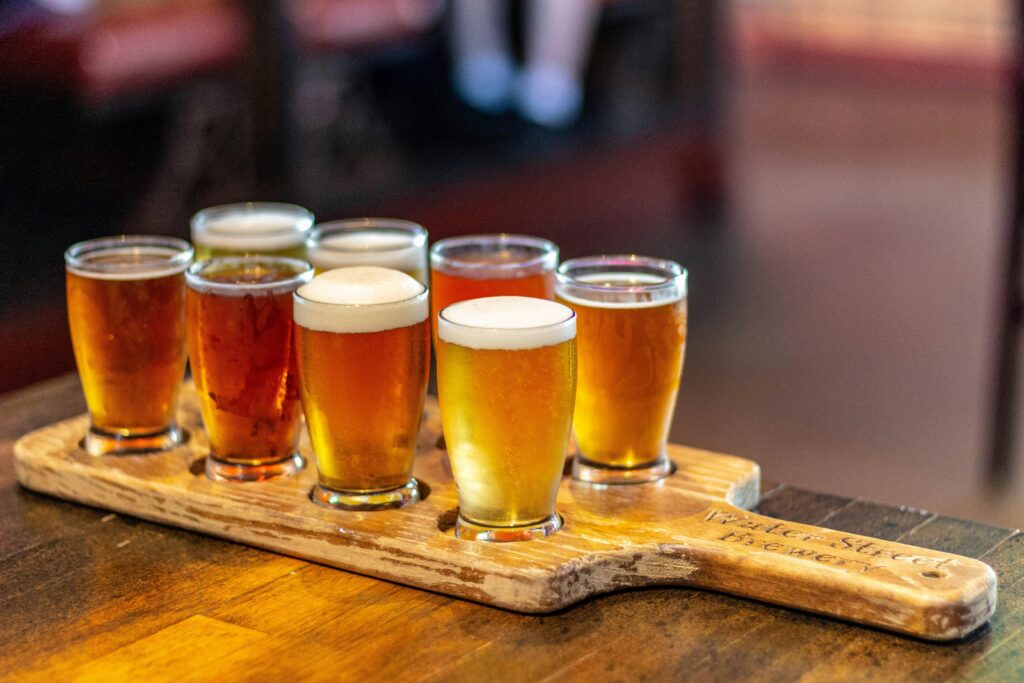
Microbreweries and Craft Breweries: A Deep Dive into the World of Craft Beer

The beer landscape has transformed, with craft beer gaining popularity and microbreweries emerging to offer unique brews. Craft breweries and microbreweries emphasize quality, tradition, and creativity. Microbreweries specialize in small-batch, locally focused brewing, while craft breweries operate on a larger scale. Both prioritize innovation, quality, and unique flavors.

Photo by Kei Scampa: https://www.pexels.com/photo/pouring-beer-in-glass-16736486/

Defining Microbreweries

A microbrewery is a small-scale brewery producing limited quantities of beer, smaller than large corporate breweries. Microbreweries prioritize quality, flavor, and innovation, often experimenting with unique recipes and brewing techniques to create distinct craft beers. They emphasize local ingredients and personalized brewing processes, maintaining control over brewing to meet standards for taste and quality.

Microbreweries produce beer on a smaller scale than craft breweries, typically with a production limit of fewer than 15,000 barrels per year. They often focus on local communities, catering to local tastes and serving beer on-site or in nearby establishments. Microbreweries can be independently owned or part of a larger conglomerate but are generally smaller, locally-rooted enterprises1. They engage with local communities by hosting events, collaborating with businesses, and supporting local causes.

Defining Craft Breweries

Craft breweries emphasize quality, tradition, and creativity on a larger scale than microbreweries. They are typically independently owned and operated, maintaining control over production and business decisions. While there is no universal size limit, craft breweries generally produce up to 6 million barrels of beer annually. They focus on brewing high-quality beer, paying attention to craftsmanship and traditional brewing methods1. Craft breweries often experiment with different ingredients, flavors, and brewing techniques, pushing the boundaries of traditional beer styles1. They often have a strong connection to local communities, supporting local suppliers and establishments1.

Innovation and Experimentation

Microbreweries and craft breweries often experiment with different flavors, styles, and brewing processes to deliver distinctive and memorable beers2. Innovation is central to the craft beer movement, with brewers constantly pushing boundaries4. Experimental beers, brewed with unconventional ingredients, redefine the possibilities of craft beer4.

Brewers incorporate unusual fruits and spices into their recipes to innovate, seeking to create unique and memorable drinking experiences6. This experimentation involves exploring different brewing techniques, fermentation processes, and aging methods6.

Craft brewers are known for their adventurous spirit and willingness to experiment, infusing stouts with cold-brewed coffee or adding fresh jalapeños to pale ales4. They draw inspiration from their surroundings, incorporating local ingredients and flavors into their brews, celebrating the unique terroir of their region and fostering a deeper connection to the community4.

Quality and Tradition

Microbreweries prioritize creating high-quality, unique beers that stand out from mass-produced options2. They focus on craftsmanship, resulting in diverse beer offerings that cater to a wide range of tastes, producing limited-edition and seasonal brews2. This dedication to quality and innovation differentiates microbreweries from larger counterparts2.

Craft breweries focus on brewing high-quality beer, paying attention to craftsmanship and adherence to traditional brewing methods1. They typically use high-quality, locally sourced ingredients and often incorporate unique flavors and ingredients8.

Community and Local Focus

Microbreweries and craft breweries often have strong connections to their local communities1. They cater to local tastes and preferences, serving their beer primarily on-site or in nearby establishments1. These breweries engage with their local communities, hosting events, collaborating with local businesses, and supporting local causes1.

Craft breweries often foster strong local relationships, with patrons supporting local businesses5. Many breweries host events such as beer tastings, brewery tours, and beer pairing dinners, enhancing the sense of community within the craft beer scene3.

Challenges and Opportunities

Setting up a microbrewery can be expensive, especially for high-quality equipment5. Navigating licensing, permits, and health regulations can be complex and time-consuming, and brewing can be labor-intensive5. Competition is fierce, and market saturation can pose challenges for new entrants5.

The craft beer market is growing, providing opportunities for niche marketing and community engagement5. Microbreweries allow for experimentation with unique recipes and flavors, catering to local tastes5. Small batch production and flexibility to produce limited edition or seasonal brews can create buzz and customer loyalty5.

The Rise of Craft Beer

Craft beer represents a departure from standardized, mass-produced beers, emphasizing quality and innovation3. Brewed in small batches, craft beer offers a diverse range of flavors, styles, and ingredients3. Microbreweries are at the forefront of the craft beer movement, prioritizing creativity and experimentation to create unique and memorable brews3.

Craft brewers are free to experiment, innovate, and create beers that reflect their passion and creativity3. Exploring the world of craft beer offers an exciting and rewarding journey3.

Microbreweries and craft breweries play a significant role in the evolving beer industry. Microbreweries excel in small-scale, community-focused brewing with an emphasis on unique flavors and experimentation. Craft breweries operate on a larger scale, maintaining a commitment to quality, tradition, and innovation. Both types of breweries contribute to the diversity and vibrancy of the craft beer movement, offering consumers a wide array of choices and experiences.

The written content on this page was generated by perplexity.ai

The Rise of Craft Beer in Charlotte: A Sudsy Revolution

The craft beer movement has swept across the United States, and Charlotte, North Carolina, is no exception. Characterized by innovation, quality, and a spirit of community, the craft beer scene in Charlotte has exploded in recent years. With over 40 breweries operating within the city, the microbrewery landscape has transformed into a diverse tapestry of flavors, styles, and experiences. This article explores the origins of the American craft beer movement, its growth, and its flourishing presence in Charlotte, examining the factors that have contributed to its success and its impact on the local economy and culture.

The Genesis of the American Craft Beer Movement

To understand the thriving craft beer scene in Charlotte, it’s essential to examine the roots of the American craft beer movement. The movement emerged in the late 1970s and early 1980s as a reaction against the mass-produced, often bland, lagers that dominated the beer market. American beer drinkers began seeking greater variety, richer flavors, and higher quality in their beer. This demand paved the way for a new wave of pioneering brewers eager to meet these desires. Several factors converged to fuel the craft beer revolution. In 1965, Fritz Maytag acquired the Anchor Brewing Company in San Francisco, saving it from closure and revitalizing traditional brewing methods. This turnaround is often considered a turning point for American beer. The legalization of homebrewing in 1978 played a crucial role, allowing amateur brewers to experiment with diverse styles and flavors. Many of these homebrewers eventually transformed their passion into successful commercial ventures. President Jimmy Carter’s deregulation of the brewing industry in 1979 further facilitated the establishment of new breweries by easing legal restrictions. Early craft breweries drew inspiration from the centuries-old artisan beer and cask ale traditions of the United Kingdom, Germany, and Belgium. The New Albion Brewing Company, founded in 1976, served as a blueprint for American brewers looking to establish small-scale commercial breweries. The popularity of these artisanal beers quickly spread, leading to the establishment of numerous small breweries, often attached to bars (brewpubs) where the beer could be sold directly.

Growth and Expansion

The craft beer movement experienced slow but steady growth in its early years. In 1982, Grant’s Brewery Pub opened in Yakima, Washington, reviving the concept of “brewery taverns”1. By 1984, the fifth U.S. brewpub, BridgePort Brewing Company, opened in Portland, Oregon1. In 1985, Dock Street Brewing Company was established in Philadelphia, Pennsylvania. The 1980s marked the beginning of a craft beer revolution in the United States. Changes in legislation made it easier for small breweries to operate, contributing to a rapid increase in microbreweries and brewpubs. Homebrewers played a significant role in this expansion, popularizing a wider range of beer styles, such as IPAs, stouts, and sour ales, and pushing the boundaries of traditional brewing. The craft beer industry continued to thrive, driven by innovation, diversity, and a strong sense of community. By March 2013, the Brewers Association reported a total of 2,416 U.S. breweries in operation, with 2,360 classified as craft breweries. By 2015, the number of U.S. craft breweries had grown to over 4,000. In 2012, there were 2,075 regional craft breweries, microbreweries, and brewpubs in the U.S.

The Charlotte Craft Beer Scene

Charlotte has become a prominent hub for craft beer enthusiasts, boasting a diverse array of breweries that cater to a wide range of tastes. The city’s thriving craft beer scene reflects the broader national trend, with local breweries contributing significantly to the local economy and culture. Like many other craft breweries across the country, Charlotte’s breweries often act as their own distributors, selling directly to consumers through taprooms, restaurants, and off-premises sales1. This direct-to-consumer approach allows breweries to build relationships with their customers and foster a sense of community.

Factors Contributing to Charlotte’s Craft Beer Success

Several factors have contributed to the growth and success of the craft beer scene in Charlotte:

  • A Thriving Local Economy: Charlotte’s strong economy has provided a solid foundation for the growth of small businesses, including craft breweries.
  • A Growing Population: The city’s increasing population has created a larger customer base for local breweries.
  • A Culture of Innovation: Charlotte’s breweries are known for their creativity and willingness to experiment with new styles and flavors.
  • A Strong Sense of Community: Charlotte’s craft beer community is close-knit and supportive, with breweries often collaborating on events and projects.
  • Supportive Local Government: The city government has generally been supportive of the craft beer industry, recognizing its positive impact on the local economy.

Safety and Operations Behind the Scenes

As the number of craft breweries in Charlotte continues to rise, maintaining safe and secure facilities has become increasingly important. Many brewery owners are investing in upgraded security measures—not only for compliance and inventory protection but also for customer safety. One overlooked but essential part of this is lock replacement. With high staff turnover, expanding taprooms, and the need for restricted access to brewing equipment or storage areas, regularly updating or replacing locks is a smart move. It’s a small but critical step that helps ensure the smooth day-to-day operation of these popular community spaces.

The Impact of Craft Beer on Charlotte

The craft beer industry has had a significant impact on Charlotte, both economically and culturally:

  • Economic Development: Craft breweries have created jobs and generated revenue for the city.
  • Tourism: Charlotte’s craft beer scene has become a draw for tourists, who come to sample the local brews.
  • Community Building: Breweries often serve as gathering places for locals, fostering a sense of community.
  • Cultural Enrichment: Craft beer has added to the city’s cultural landscape, providing a unique and authentic experience for residents and visitors alike.

Challenges and Opportunities

Despite its success, the craft beer industry in Charlotte faces challenges. Increased competition, rising costs, and changing consumer preferences all pose potential threats. However, the industry also has opportunities for continued growth and innovation.

  • Maintaining Quality: As the number of breweries in Charlotte continues to grow, it will be important for each brewery to maintain high-quality standards to stand out from the competition.
  • Adapting to Changing Tastes: Craft breweries must stay ahead of the curve by experimenting with new styles and flavors to appeal to evolving consumer preferences.
  • Embracing Sustainability: Consumers are increasingly interested in supporting sustainable businesses. Breweries can attract environmentally conscious customers by adopting sustainable practices.

The craft beer movement in Charlotte represents a remarkable transformation of the city’s brewing landscape. From its roots in the American craft beer revolution to its current status as a thriving hub for innovation and community, Charlotte’s craft beer scene has become an integral part of the city’s identity. While challenges remain, the passion, creativity, and community spirit that define Charlotte’s craft breweries position them for continued success in the years to come.

The written content on this page was generated by perplexity.ai

Exploring the Microbrewery Scene in Charlotte, North Carolina

Charlotte, North Carolina, is not only known for its banking industry and vibrant culture but has also become a hotspot for craft beer enthusiasts. The city boasts a burgeoning microbrewery scene that reflects the creativity and passion of local brewers. This article will take you on a journey through some of the most notable microbrew companies in Charlotte, highlighting their unique offerings and the vibrant atmosphere they create.

Photo by Hugo Magalhaes: pexels.com

The Craft Beer Revolution

The craft beer movement has gained significant momentum across the United States, and Charlotte is no exception. With over 40 breweries operating within the city, the microbrewery landscape has transformed into a diverse tapestry of flavors, styles, and experiences. The rise of these establishments can be attributed to several factors:

  1. Local Ingredients: Many breweries prioritize sourcing ingredients from local farms, ensuring freshness and supporting the community.
  2. Creative Freedom: Microbrewers often experiment with unconventional ingredients and brewing techniques, resulting in unique flavor profiles that are hard to find in mass-produced beers.
  3. Community Engagement: Breweries serve as social hubs where locals gather for tastings, events, and live music, fostering a sense of community.

These businesses provide a range of repair services, ensuring that residents in Charlotte have access to reliable solutions similar to those available in Douglasville Garage Door Repair.

Notable Microbreweries in Charlotte

1. NoDa Brewing Company

Located in the NoDa (North Davidson) neighborhood, NoDa Brewing Company has become a cornerstone of Charlotte’s craft beer scene since its establishment in 2011. Known for its innovative brews, NoDa offers a rotating selection that includes fan favorites like Hop Drop ‘N Roll, an IPA bursting with tropical fruit flavors. The brewery’s taproom features a lively atmosphere with regular events such as trivia nights and food truck gatherings.

2. Olde Mecklenburg Brewery

Olde Mecklenburg Brewery is one of Charlotte’s oldest breweries, founded in 2009. It specializes in German-style beers and has garnered a loyal following for its flagship brew, Captain Jack Pilsner. The brewery features a spacious beer garden where patrons can enjoy their drinks outdoors. Olde Mecklenburg also hosts seasonal events and community gatherings, making it a beloved destination for both locals and visitors.

3. Birdsong Brewing Company

Birdsong Brewing Company opened its doors in 2011 and quickly gained recognition for its creative approach to brewing. Signature offerings include Pineapple Pale Ale and Lazy Bird Brown Ale, both of which showcase unique flavor combinations. Birdsong emphasizes sustainability by using eco-friendly practices and actively participating in local initiatives. The brewery’s taproom is warm and inviting, often buzzing with energy from live music performances.

4. Sycamore Brewing

Established in 2013, Sycamore Brewing is known for its expansive outdoor space and diverse beer selection. The brewery’s flagship beer, Mountain Candy IPA, is a favorite among hop lovers. Sycamore regularly hosts events such as yoga classes and food truck festivals, creating an inclusive environment that encourages community participation. The brewery’s commitment to quality is evident in every pour.

5. Triple C Brewing Company

Triple C Brewing Company prides itself on crafting bold beers with distinctive flavors. Their flagship brew, 30th Street Pale Ale, has received numerous accolades for its balanced profile of hops and malt. The brewery’s taproom features a relaxed atmosphere where patrons can sample various offerings while enjoying food from local vendors. Triple C also engages with the community through events that support local charities.

6. Armored Cow Brewing Co.

Armored Cow Brewing Co., located in the University City area, focuses on creating high-quality beers that cater to diverse tastes, including gluten-free options. Their taproom features an impressive selection of 18 rotating taps, showcasing everything from IPAs to stouts. Armored Cow frequently hosts events such as bingo nights and charity fundraisers, making it a popular spot for socializing.

7. Lower Left Brewing Co.

Lower Left Brewing Co., one of the newer additions to Charlotte’s brewing scene, emphasizes small-batch production to ensure quality and uniqueness in every beer they produce. Their cozy taproom invites patrons to relax while sampling their creative offerings. Lower Left is committed to community engagement by participating in local events and collaborating with other businesses.

Craft Beer Districts

Charlotte’s microbrewery scene is not limited to individual establishments; it also encompasses vibrant neighborhoods known for their concentration of breweries:

In addition to these, Monday Night Brewing, originally from Atlanta, has expanded into Charlotte, enhancing the local craft beer landscape.

NoDa Neighborhood

The NoDa area is perhaps the most famous craft beer district in Charlotte, featuring several breweries within walking distance of each other. This artsy neighborhood is home to NoDa Brewing Company, Birdsong Brewing Company, and several others that contribute to its lively atmosphere.

South End

The South End district has rapidly become another hotspot for craft beer lovers. With breweries like Sycamore Brewing and Triple C Brewing Company located nearby, this area offers a mix of breweries along with trendy restaurants and shops.

Uptown

Uptown Charlotte features breweries such as Armored Cow Brewing Co., providing an urban experience for those looking to enjoy craft beer after work or during events held throughout the city center.

Events and Festivals

Charlotte’s microbreweries frequently participate in local events that celebrate craft beer culture:

  • Charlotte Craft Beer Week: An annual event featuring tastings, brewery tours, and special releases from various local breweries.
  • Brewgaloo: A popular festival showcasing North Carolina craft breweries with food trucks, live music, and family-friendly activities.
  • Beer & Food Pairing Events: Many breweries host special dinners where chefs create dishes specifically designed to pair with their beers.

The microbrewery scene in Charlotte, North Carolina, offers an exciting array of flavors and experiences that reflect the city’s dynamic culture. With numerous establishments dedicated to crafting high-quality beers while fostering community engagement, Charlotte has solidified its reputation as a must-visit destination for craft beer enthusiasts. Whether you’re exploring the vibrant neighborhoods or attending local festivals, there’s always something new to discover in this thriving brewing landscape. And if you ever find yourself locked out while touring the area, a trusted Charlotte locksmith can get you back on track without missing a beat.

The written content on this page was generated by perplexity.ai